60 Years of Renewable Energy

Visualization of the global growth of renewable energy generation, measured in terawatt hours (TWh), by country from 1965 to 2023. It highlights the adoption of various renewable energy sources, including solar, wind, hydroelectric, geothermal, and biomass, over nearly six decades. The visualization illustrates the progression of renewable energy deployment across different regions, driven by advancements … Read more
Transportation Solutions

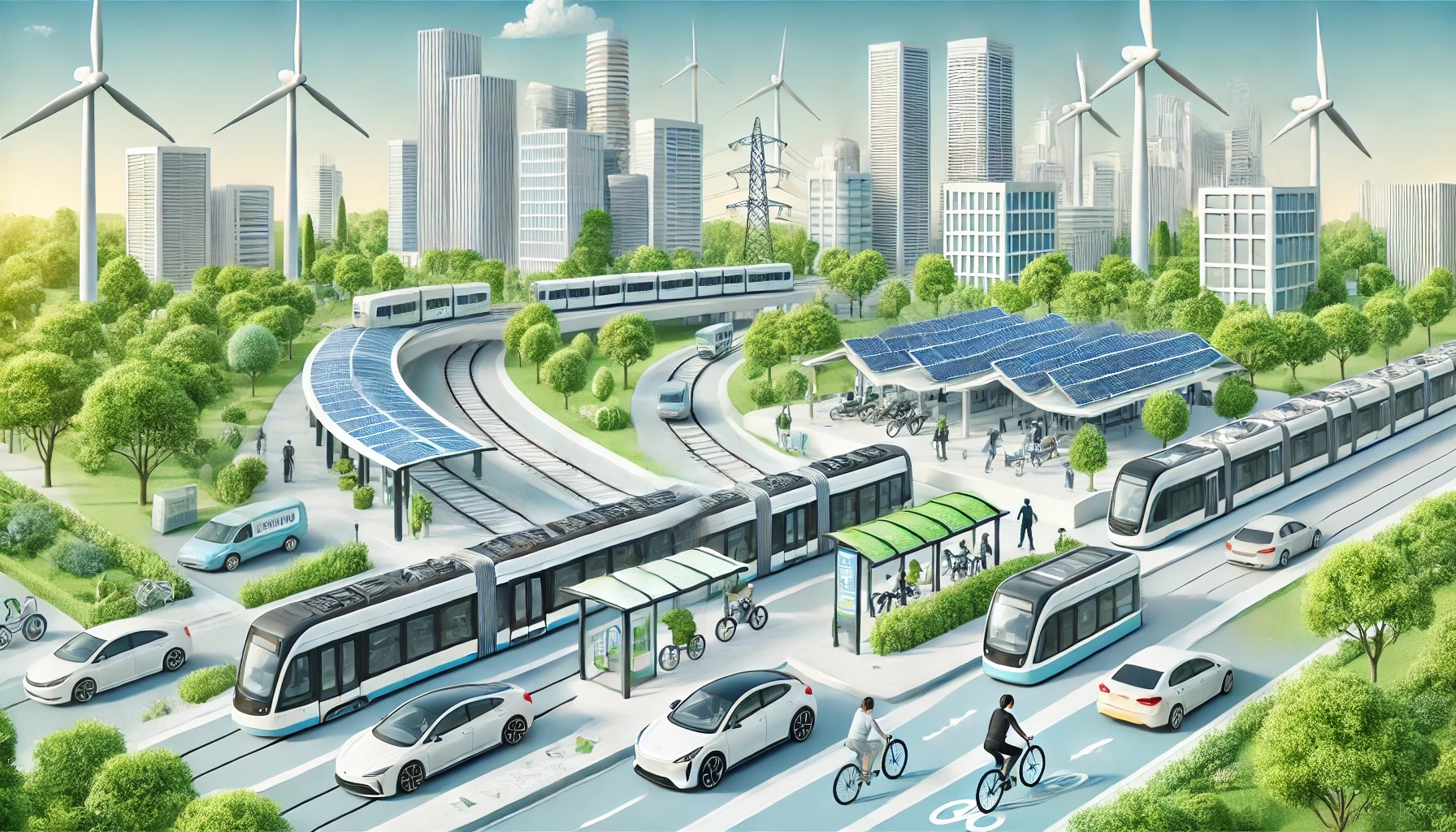
The transportation sector accounts for approximately 14% of carbon emissions. Solutions include the adoption of electric vehicles (EVs), which reduce reliance on fossil fuels; the enhancement of public transit systems, the development of cycling infrastructure, the integration of renewable energy sources, such as solar and wind, into transportation networks, and the implementation of smart mobility … Read more

Climate Solutions for Industry

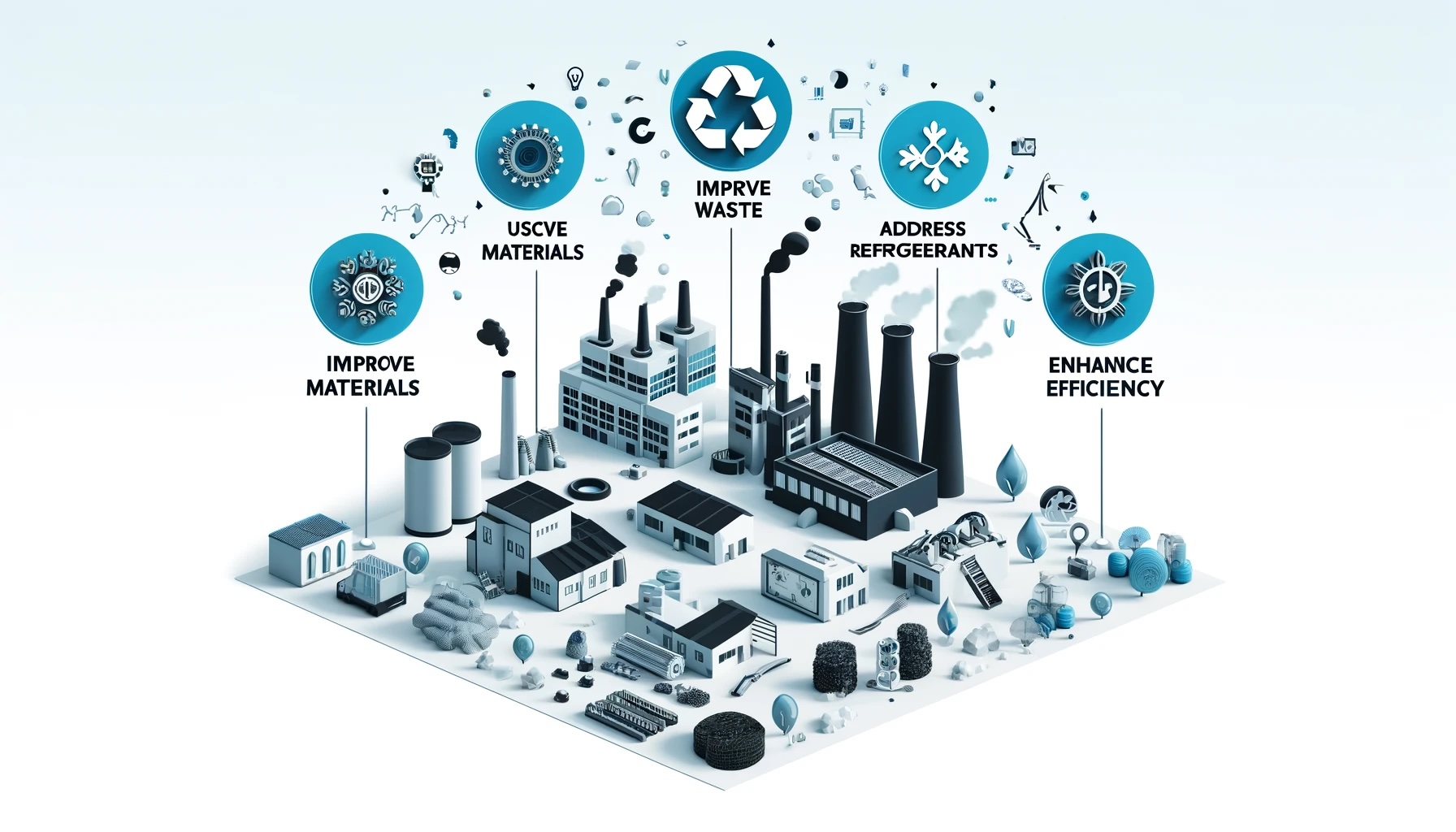
The industrial sector is a significant contributor to greenhouse gas emissions, accounting for 21% of the global total. Key emission sources include the production of cement, iron, steel, aluminum, fertilizers, paper, plastics, processed foods, textiles, and waste. To mitigate these emissions, strategies focus on improving materials, utilizing waste, addressing refrigerants, and enhancing energy efficiency.

Food, Agriculture, & Land Use Solutions

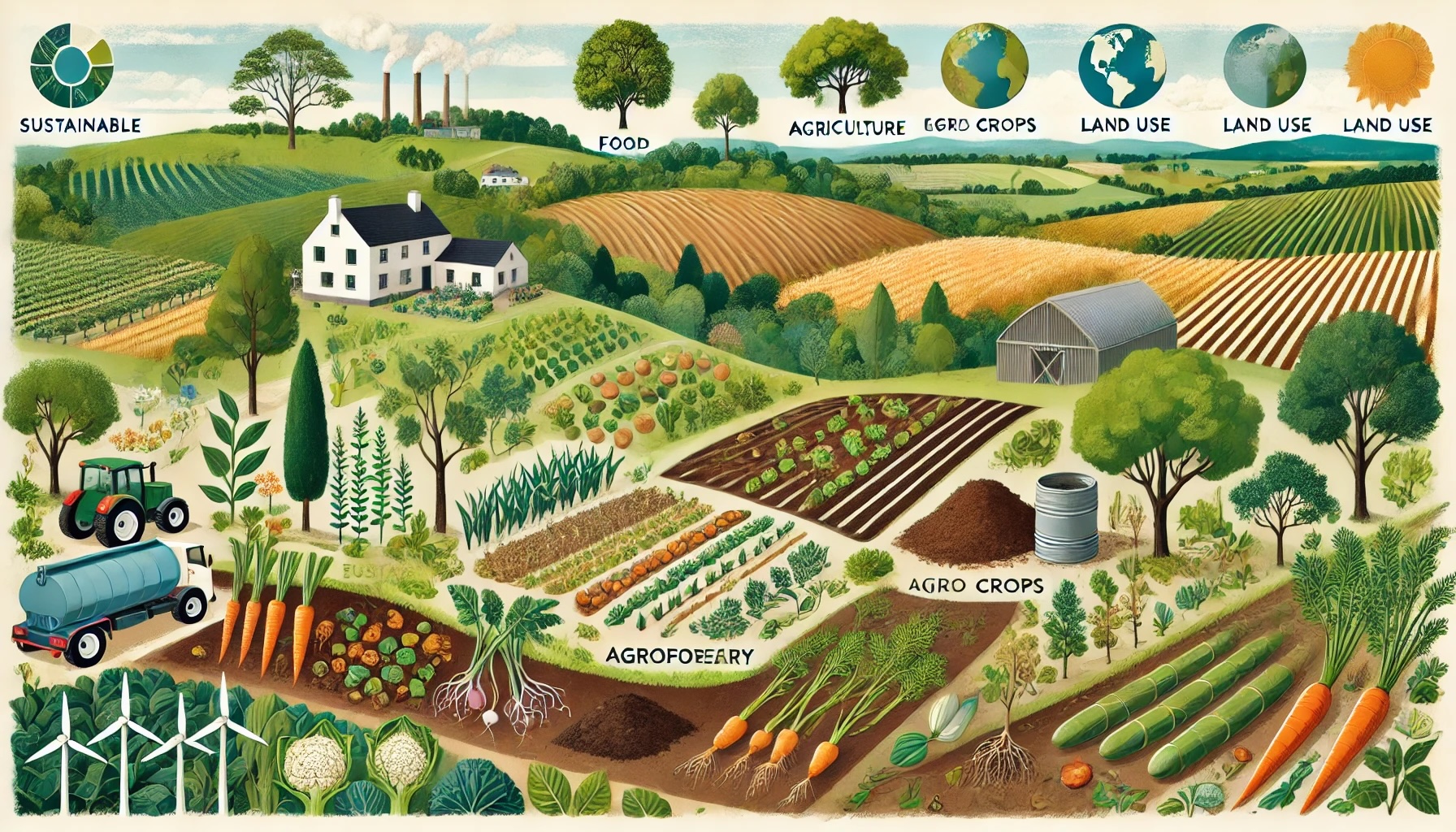
The food, agriculture, and land use sector is responsible for approximately 24% of global greenhouse gas emissions. This sector includes agriculture, forestry, and land management, which often disrupt ecosystems and release carbon stored in vegetation and soils. Solutions are focus on reducing food waste, shifting to plant-rich diets, protecting ecosystems, and adopting sustainable agricultural practices.

Carbon Sinks: Land, Ocean, Engineered

Carbon sequestration captures and stores atmospheric carbon dioxide (CO₂) to mitigate climate change. Solutions increase carbon storage in biomass and soils through afforestation and soil management, enhance carbon sinking in coastal, marine, and open ocean environments, and leverages engineered solutions like direct air capture and geological storage.

Electric Transition Climate Solutions

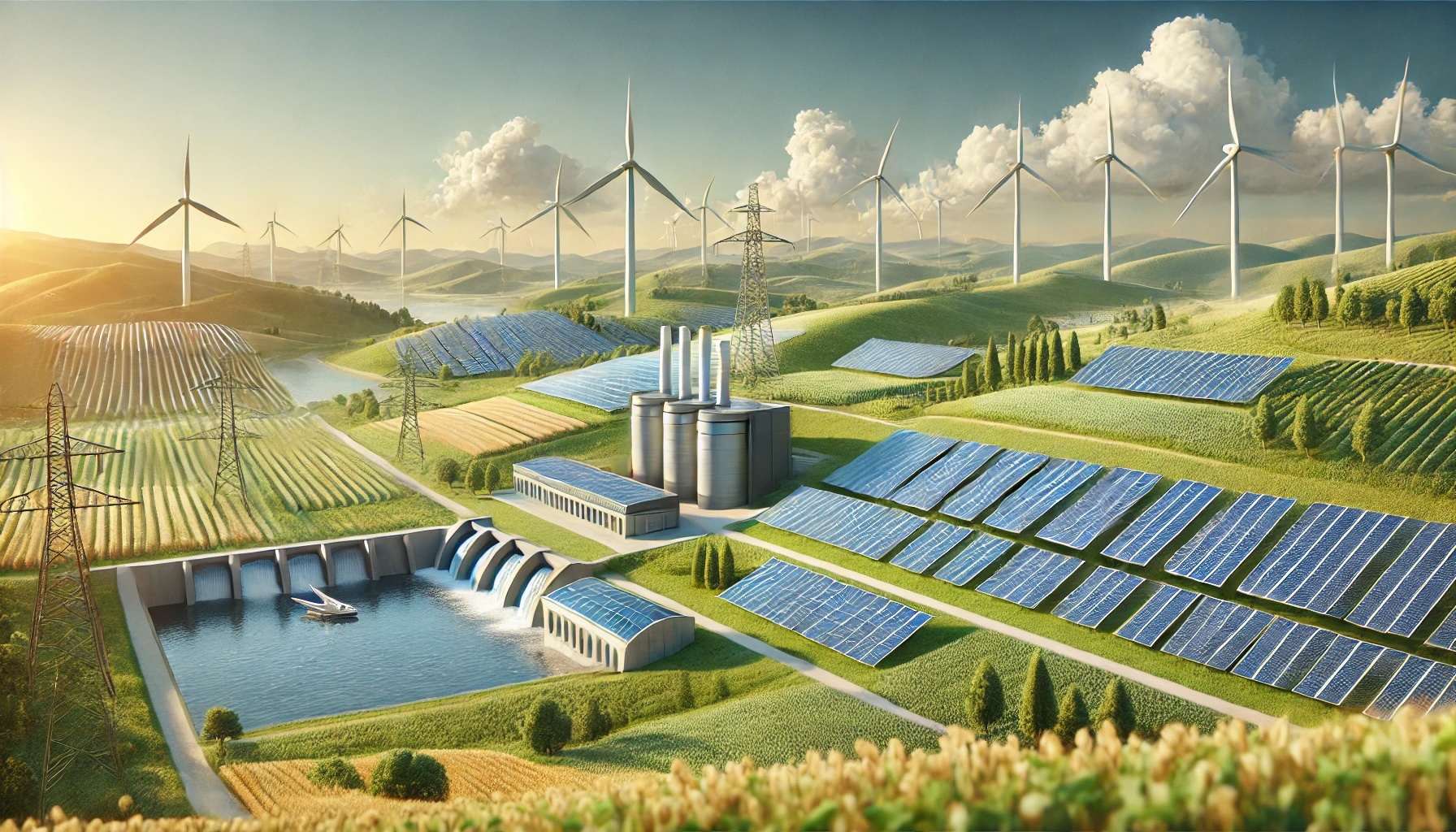
The electricity sector is a major contributor to global greenhouse gas emissions, accounting for 25% of the total. Historically, electricity generation has relied heavily on fossil fuels, leading to significant emissions. Project Drawdown emphasizes three key strategies: transitioning to renewable energy sources, improving the grid with enhanced transmission and storage, and improving efficiency to reduce … Read more

Climate Change Solutions for Buildings

Buildings are major drivers of greenhouse gas emissions. Materials that comprise buildings and the process of construction, renovation, or demolition are what’s known as “embodied carbon.” Fuels are burned to heat space or water or for cooking. The chemicals used for cooling and refrigeration can escape as emissions. Buildings also use more than half of … Read more